The Legacy of England's Artisan Cabinet Makers
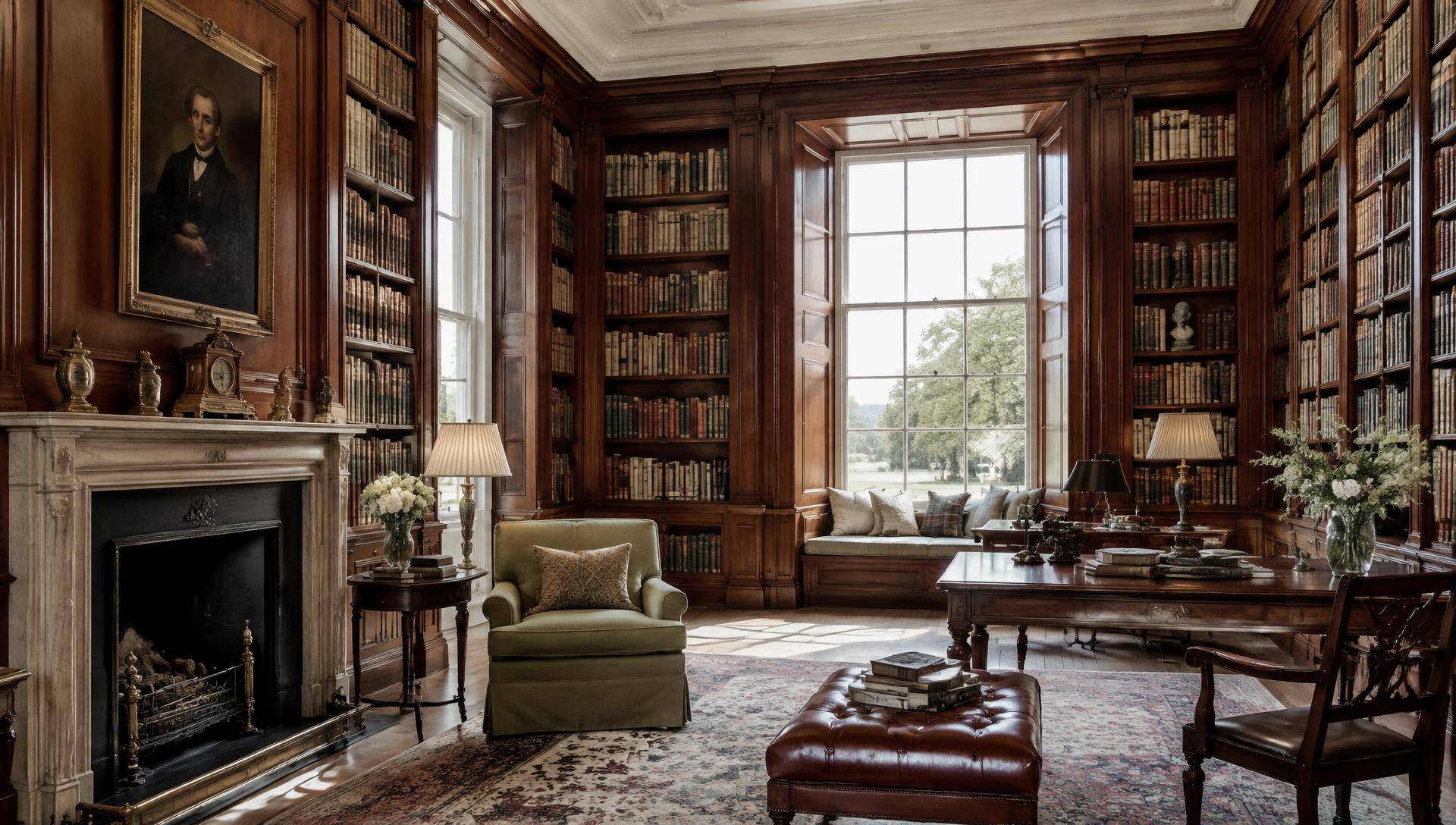
For centuries, England has been renowned for producing some of the world's finest cabinet makers, craftsmen whose skill transformed timber into objects of extraordinary beauty, functionality, and permanence. From the grand country estates of the Georgian era to contemporary luxury residences, the tradition of artisan cabinet making has remained synonymous with quality, refinement, and meticulous craftsmanship.
A Craft Rooted in Tradition
The history of English cabinet making flourished during the 17th and 18th centuries, when growing prosperity and architectural ambition created demand for furniture and interiors of exceptional quality. Master craftsmen established workshops throughout London and across England, producing bespoke furniture for aristocratic families, stately homes, and wealthy merchants.
Unlike today's mass-manufactured products, every piece was made by hand. Cabinet makers selected timbers individually, carefully considering grain direction, colour, stability, and character. The construction of each piece reflected an intimate understanding of wood movement, joinery, and proportion, ensuring that furniture would endure for generations.
The Golden Age of Craftsmanship
The Georgian period is often regarded as the golden age of English cabinet making. Influential makers such as Thomas Chippendale, George Hepplewhite, and Thomas Sheraton elevated furniture making to an art form. Their designs combined practicality with elegance, establishing principles of craftsmanship and design that continue to inspire artisans today.
These master cabinet makers were not simply manufacturers. They were designers, engineers, and craftsmen who understood how furniture could complement architecture and enrich daily life. Their workshops employed highly skilled tradespeople who dedicated years to mastering techniques such as dovetailing, veneering, carving, inlay work, and hand finishing.
The result was furniture distinguished by remarkable precision, balanced proportions, and enduring beauty.
The Importance of Hand Craftsmanship
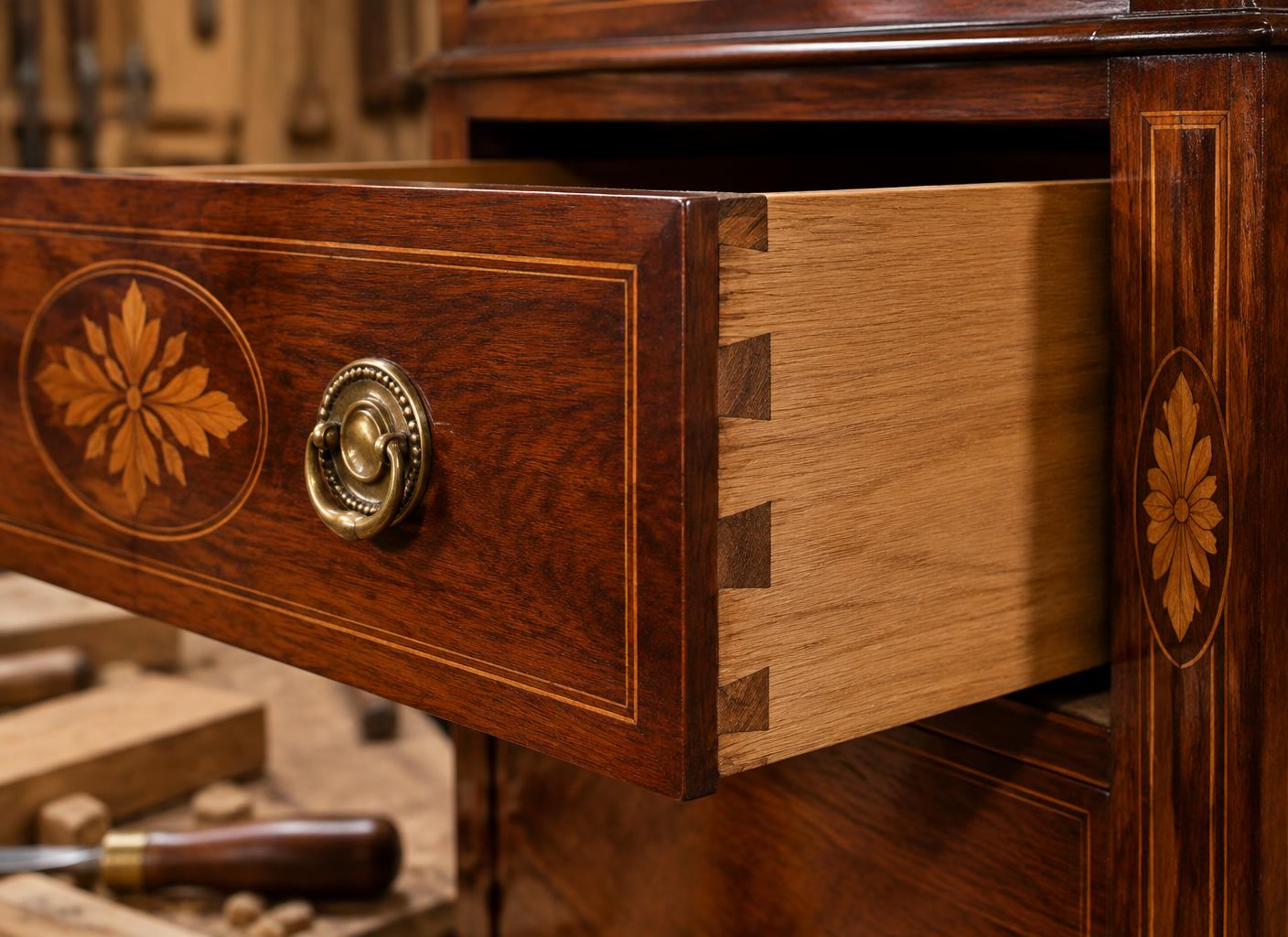
At the heart of the English cabinet-making tradition lies an unwavering commitment to craftsmanship. Every detail matters, from the fit of a drawer and the alignment of timber grain to the subtle shaping of an edge profile.
Hand-crafted joinery techniques developed centuries ago remain the benchmark of quality today. Traditional methods such as mortise-and-tenon joints, dovetails, and hand-applied finishes provide strength and durability that often surpass modern mass-production methods.
These techniques require patience, skill, and experience, qualities that cannot be replicated by automated manufacturing alone.
A Legacy of Bespoke Design
Historically, England's finest cabinet makers worked directly with architects, designers, and homeowners to create pieces tailored to specific rooms and residences. Furniture was designed as an extension of the architecture, integrating seamlessly with the character and proportions of a home.
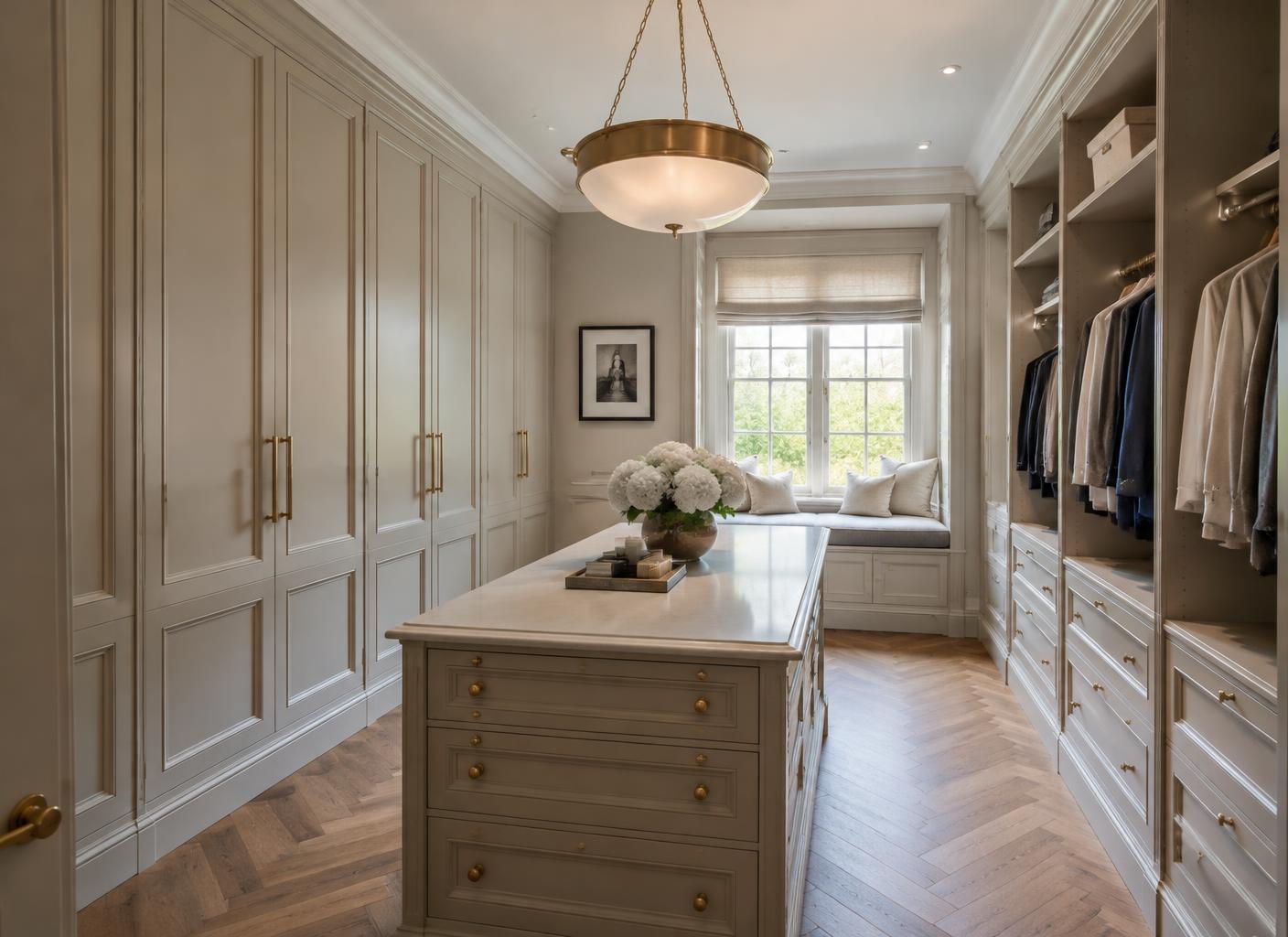
This bespoke approach remains central to artisan cabinet making today. Whether creating a library, dressing room, kitchen, or custom furniture piece, modern craftsmen continue the tradition of designing specifically for the individual client and the unique requirements of each space.
Quality That Endures
One of the defining characteristics of English artisan craftsmanship is longevity. Many pieces created by master cabinet makers during the eighteenth and nineteenth centuries remain in daily use today.
Their survival is a testament to the quality of the materials, construction methods, and attention to detail employed by these craftsmen. Unlike disposable furniture designed for short-term use, artisan-made cabinetry and furniture are created to age gracefully and serve multiple generations.
Continuing the Tradition
While tools and technology have evolved, the values that defined England's great cabinet makers remain unchanged. The pursuit of excellence, respect for materials, precision in execution, and dedication to craftsmanship continue to distinguish artisan workshops from mass-production facilities.
Today, bespoke furniture makers and cabinetmakers uphold this heritage by combining traditional handcrafting techniques with modern design and manufacturing technologies. The result is cabinetry and furniture that embody the same principles that made English craftsmanship world-renowned: beauty, integrity, functionality, and permanence.
The Relevance for Contemporary Luxury Homes
In today's luxury residences, artisan cabinet making represents more than custom storage or furniture. It reflects a commitment to quality, individuality, and enduring value. Every handcrafted piece carries forward a tradition refined over centuries, connecting contemporary homes with one of the most respected craft heritages in the world.
For discerning homeowners, architects, and designers, artisan-made cabinetry remains the ultimate expression of craftsmanship, where every detail is considered, every material carefully selected, and every piece built to stand the test of time.